
Routine Soft Tissue Surgery for Pets in Fairfield, TX
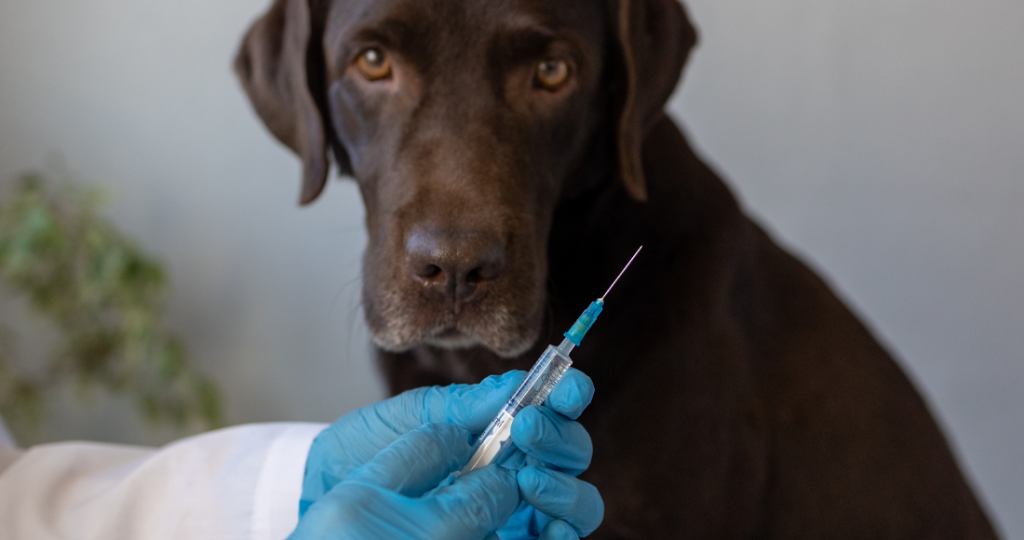
Understanding Soft Tissue Surgery in Veterinary Medicine
Soft tissue surgery encompasses a broad range of procedures involving organs, skin, muscles, and other non-bone structures that veterinarians perform to treat injuries, remove tumors, and correct anatomical abnormalities. Professional soft tissue surgery pets Fairfield TX services at our veterinary clinic address everything from simple lump removals to complex abdominal procedures, providing solutions for conditions that medication alone cannot resolve. These surgeries improve quality of life, eliminate pain, and often save lives when performed by skilled veterinary surgeons using modern techniques and equipment.
The distinction between routine and specialized soft tissue surgery lies primarily in complexity and required expertise rather than importance to the patient. Routine procedures like mass removals, laceration repairs, and abscess drainage occur frequently in general practice, allowing veterinarians to develop exceptional proficiency through repetition. Our surgical team performs dozens of soft tissue procedures monthly, maintaining skills that ensure optimal outcomes for every patient.
Advanced monitoring equipment, improved anesthetic protocols, and better pain management have transformed soft tissue surgery from risky necessity to routine intervention with excellent success rates. Modern veterinary surgery rivals human medical standards, with sterile technique, patient monitoring, and post-operative care protocols that maximize safety while minimizing complications. This evolution means pets receive surgical care that would have been unimaginable just decades ago.
Common Mass and Tumor Removals
Skin masses represent the most frequent soft tissue surgery indication, with lumps and bumps developing commonly as pets age. While many masses are benign lipomas or cysts, surgical removal provides definitive diagnosis through histopathology while eliminating potential problems. Early removal of small masses is technically easier, reduces surgical time, and improves cosmetic outcomes compared to waiting until masses become large.
Surgical planning for mass removal considers location, size, suspected diagnosis, and proximity to vital structures. Simple superficial masses may require only local tissue closure, while larger or invasive tumors need reconstruction techniques. Our soft tissue surgery pets Fairfield TX expertise includes advanced closure techniques ensuring optimal healing even after extensive tumor removal.
Mammary tumor removal in dogs and cats requires careful planning to remove all affected tissue while preserving blood supply to remaining skin. Chain mastectomy removing multiple glands may be necessary for multiple tumors or malignancy. Simultaneous spaying reduces recurrence risk in intact females, combining procedures for single anesthetic exposure.
Wound Repair and Reconstruction
Traumatic wounds from accidents, animal attacks, or other injuries often require surgical intervention beyond simple suturing. Contaminated wounds need thorough debridement to remove devitalized tissue and foreign material before closure. Our surgeons assess tissue viability, often requiring staged procedures for severely compromised wounds.
Reconstruction techniques restore function and appearance when large tissue defects prevent direct closure. Skin flaps mobilize adjacent tissue to cover defects, requiring understanding of blood supply patterns and tissue elasticity. Advanced techniques like axial pattern flaps provide robust blood supply for challenging reconstructions.
Wound drainage systems prevent fluid accumulation that delays healing and increases infection risk. Passive drains like Penrose drains work well for simple cases, while active suction drains manage larger dead spaces:
- Jackson-Pratt drains for closed suction drainage
- Penrose drains for gravity-dependent drainage
- Vessel loops for superficial drainage
- Negative pressure wound therapy for complex wounds
- Tie-over bandages for areas difficult to bandage
- Vacuum-assisted closure for large defects
- Second intention healing when closure isn’t possible
Abdominal Surgery Procedures
Exploratory laparotomy allows direct visualization and palpation of abdominal organs when non-invasive diagnostics leave questions unanswered. Systematic exploration ensures no pathology is missed while allowing targeted biopsy of abnormalities. This procedure provides both diagnostic and therapeutic benefits through mass removal, foreign body extraction, or organ biopsy.
Gastrotomy and enterotomy surgeries remove foreign objects from stomach and intestines respectively, common procedures when pets ingest inappropriate items. Quick intervention before obstruction causes intestinal damage improves outcomes significantly. Our surgical team’s experience with foreign body removal ensures efficient procedures minimizing anesthesia time.
Cystotomy for bladder stone removal provides immediate relief from urinary obstruction and discomfort. Complete stone removal combined with culture and analysis guides prevention strategies. Some cases require urethrostomy procedures to prevent future obstructions, particularly in male cats with recurrent blockages.
Hernia Repairs
Umbilical hernias, common congenital defects where abdominal contents protrude through the umbilical ring, require surgical correction to prevent strangulation. Small hernias may be repaired during spay/neuter surgery, while larger defects need dedicated procedures. Proper closure technique prevents recurrence while avoiding excessive tension.
Inguinal hernias allow abdominal organs to enter the inguinal canal, potentially compromising blood supply. These require prompt repair, particularly in females where the uterus may become entrapped. Bilateral exploration ensures both sides are evaluated even when only one appears affected clinically.
Diaphragmatic hernias, whether traumatic or congenital, represent surgical emergencies when abdominal organs enter the chest cavity. These complex procedures require careful organ repositioning and diaphragm repair while managing respiratory compromise. Our soft tissue surgery pets Fairfield TX team manages these challenging cases with appropriate preparation and monitoring.
Gastrointestinal Surgical Procedures
Intestinal resection and anastomosis removes damaged bowel segments from obstruction, perforation, or neoplasia. This delicate procedure requires careful technique to ensure water-tight closure preventing leakage. Assessment of intestinal viability guides resection extent while preserving maximum functional length.
Gastropexy surgically attaches the stomach to body wall, preventing gastric dilatation-volvulus (GDV) in high-risk breeds. Prophylactic gastropexy during spay or other abdominal surgery provides lifetime protection against this life-threatening condition. Various techniques exist, with our surgeons selecting appropriate methods for individual patients.
Rectal prolapse repair addresses this distressing condition where rectal tissue protrudes from the anus. Underlying causes must be addressed alongside surgical correction to prevent recurrence. Colopexy may be necessary for recurrent cases, permanently securing colon position to prevent future prolapse.
Ear Surgery Procedures
Total ear canal ablation (TECA) provides definitive treatment for end-stage ear disease when medical management fails. This procedure removes the entire ear canal, eliminating chronic infection sources and pain. While hearing is lost, most pets experience dramatic quality of life improvement.
Lateral ear canal resection improves drainage and ventilation for chronic ear infections, particularly in breeds with narrow canals. This less aggressive procedure preserves hearing while improving medical management access. Proper case selection ensures good outcomes while avoiding unnecessary aggressive surgery.
Aural hematoma repair addresses blood accumulation between ear cartilage layers, typically from head shaking or trauma. Various techniques exist from simple drainage to quilting sutures preventing re-accumulation. Addressing underlying ear disease prevents recurrence after surgical correction.
Oral and Dental Surgical Procedures
Oral mass removal ranges from simple gingival hyperplasia excision to aggressive tumor resection requiring jaw bone removal. Early intervention for oral masses improves outcomes and may allow less invasive procedures. Complete excision with margin assessment guides need for additional treatment.
Oronasal fistula repair closes abnormal communications between mouth and nasal cavity from severe dental disease or trauma. These procedures require careful tissue mobilization and tension-free closure to prevent breakdown. Multiple procedures may be necessary for large defects.
Salivary mucocele treatment involves removing affected salivary glands and draining accumulated saliva. Proper gland identification ensures complete removal preventing recurrence. Our soft tissue surgery pets Fairfield TX expertise includes managing these challenging cases requiring careful dissection near vital structures.
Urogenital Surgical Procedures
Perineal urethrostomy creates permanent urethral openings bypassing narrow distal urethra in male cats with recurrent obstructions. This salvage procedure prevents life-threatening blockages when medical management fails. Proper surgical technique ensures adequate stoma size while minimizing complications.
Vulvoplasty corrects excessive vulvar folds causing chronic infections and discomfort. This procedure removes redundant tissue while preserving normal anatomy. Weight management post-surgery prevents recurrence in overweight patients.
Cesarean sections deliver puppies or kittens when natural birth isn’t possible or safe. Rapid intervention when dystocia is recognized improves neonatal survival. Our surgical team coordinates with support staff ensuring both mother and babies receive appropriate care.
Surgical Drain Placement and Management
Strategic drain placement prevents seroma formation and removes contaminated fluids from surgical sites. Proper drain selection depends on location, expected drainage volume, and patient factors. Exit site positioning allows gravity assistance while preventing patient interference.
Drain maintenance includes regular emptying, output monitoring, and site care preventing ascending infections. Owners receive detailed instructions about home drain management when early discharge benefits recovery. Timely removal once drainage decreases prevents complications while ensuring adequate drainage duration.
Complications like premature removal or infection require prompt attention to prevent surgical site problems. Our team remains available for drain-related concerns throughout recovery. Proper drain management significantly impacts surgical success and healing time.
Minimally Invasive Techniques
Laparoscopic surgery offers reduced invasiveness for certain procedures, with smaller incisions meaning less pain and faster recovery. Procedures like cryptorchid testicle removal and liver biopsy benefit from laparoscopic approaches. Not all patients or procedures suit minimally invasive techniques, requiring careful case selection.
Video-assisted procedures combine minimal invasiveness with direct visualization advantages. Thoracoscopy for chest exploration and procedures reduces recovery compared to traditional thoracotomy. Equipment costs and technical expertise requirements limit availability, but benefits justify use when appropriate.
Laser surgery provides precise cutting with simultaneous hemostasis, reducing bleeding and swelling. Certain procedures like nostril widening in brachycephalic breeds particularly benefit from laser precision. Our investment in advanced technology ensures pets receive optimal surgical approaches.
Post-Operative Care and Recovery
Successful soft tissue surgery extends beyond the operating room to comprehensive post-operative management ensuring optimal healing. Pain management protocols begin before surgery and continue throughout recovery, with multimodal approaches providing superior comfort. Regular pain assessment allows protocol adjustments maintaining comfort without oversedation.
Incision care prevents complications that could compromise surgical success. E-collars or surgical suits prevent self-trauma while allowing normal activities. Owners receive detailed instructions about incision monitoring, recognizing complications, and activity restrictions during healing.
Follow-up examinations ensure proper healing and allow early intervention for complications. Suture or staple removal timing depends on location and tension, typically 10-14 days post-surgery. Our soft tissue surgery pets Fairfield TX team remains available throughout recovery for questions or concerns.
Complications and Their Management
While complications remain uncommon with proper technique and care, understanding potential problems ensures prompt recognition and treatment. Surgical site infections, though rare with appropriate antibiotic use and sterile technique, require aggressive treatment when occurring. Culture-guided therapy ensures effective treatment while minimizing resistance development.
Dehiscence (incision breakdown) represents a serious complication requiring immediate attention. Contributing factors include excessive activity, infection, or poor healing. Prompt surgical revision when dehiscence occurs prevents evisceration and promotes proper healing.
Seroma formation, fluid accumulation at surgical sites, often resolves with conservative management. Serial drainage may be necessary for persistent seromas, with surgical revision rarely required. Patient factors like excessive activity or dead space contribute to seroma development.
When Soft Tissue Surgery Is Needed
Various conditions indicate need for soft tissue surgical intervention beyond emergency situations. Chronic infections unresponsive to medical management may require surgical drainage or tissue removal. Quality of life considerations often guide surgical timing for non-urgent procedures.
Diagnostic surgery through biopsy or exploration provides definitive answers when other methods fail. Therapeutic and diagnostic benefits often combine, with surgical treatment proceeding based on findings. Our comprehensive surgical capabilities mean most procedures can be completed without referral.
Preventive surgeries like prophylactic gastropexy in at-risk breeds prevent future emergencies. Discussing breed-specific risks during routine visits identifies candidates for preventive procedures. Combining preventive surgeries with routine procedures like spaying reduces anesthetic exposures.
Schedule Your Pet’s Surgical Consultation
If your pet requires soft tissue surgery or you’re considering preventive procedures, our experienced surgical team provides exceptional care. Contact our Fairfield clinic at 1501 W US Highway 84 to schedule a surgical consultation. We’ll thoroughly evaluate your pet, discuss surgical options, and develop comprehensive treatment plans.
Our soft tissue surgery services in Fairfield, TX, combine technical expertise with compassionate care, ensuring optimal outcomes. From routine mass removals to complex reconstructions, we provide the full spectrum of soft tissue surgical procedures. Trust our skilled surgeons to deliver safe, effective surgical solutions for your pet’s needs.
Don’t delay necessary surgery that could improve your pet’s quality of life or prevent future problems. Our team stands ready to guide you through the surgical process from initial consultation through complete recovery, ensuring your pet receives the best possible surgical care in Central Texas.