
Rabbit Veterinary Care Services in Fairfield, TX
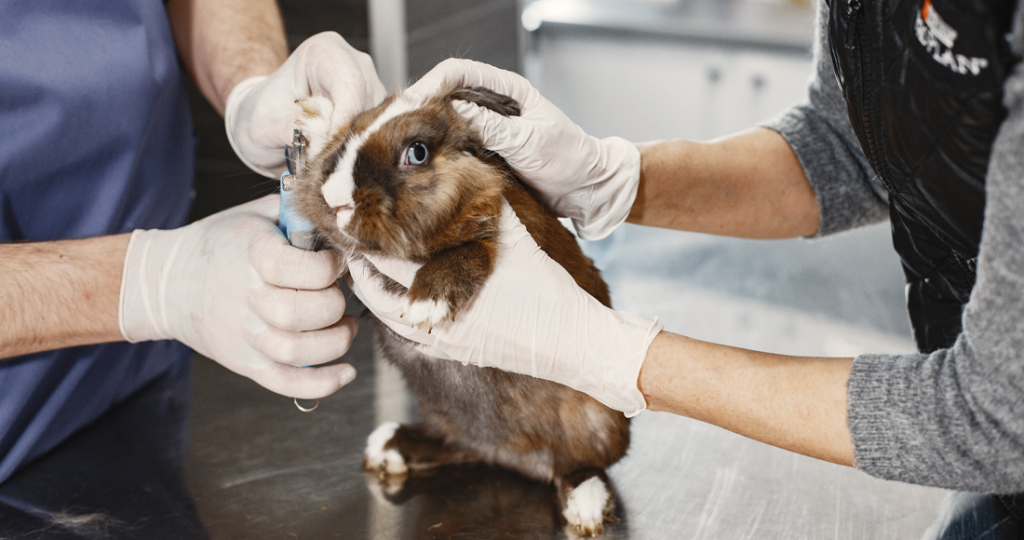
Specialized Medical Care for Your Pet Rabbit
Rabbits require specialized veterinary expertise that differs significantly from traditional dog and cat medicine, as these unique creatures have specific anatomical, physiological, and behavioral needs that demand knowledgeable care. Professional rabbit vet Fairfield TX services at our clinic provide comprehensive healthcare tailored specifically to lagomorphs, addressing everything from preventive wellness care to complex medical conditions and surgical procedures. Our understanding of rabbit medicine ensures your bunny receives appropriate treatment that considers their status as prey animals with delicate digestive systems and continuously growing teeth.
The popularity of rabbits as house pets has grown tremendously, yet many owners remain unaware of their complex healthcare needs and the importance of regular veterinary care. Rabbits are masters at hiding illness, a survival instinct that means subtle changes in behavior or appetite often indicate serious underlying problems. Our experienced team recognizes these subtle signs and provides the specialized diagnostics and treatments necessary for maintaining rabbit health throughout their 8-12 year lifespan.
Central Texas presents unique challenges for rabbit health, from heat stress during our intense summers to exposure to mosquito-borne diseases and predator stress in outdoor housing situations. Indoor rabbits face different challenges including inappropriate diets, lack of exercise, and behavioral problems from improper socialization. Our comprehensive approach addresses both medical and husbandry factors essential for optimal rabbit health and welfare.
Understanding Rabbit Physiology and Behavior
Rabbits possess unique digestive systems requiring constant fiber intake to maintain gastrointestinal motility, with any disruption potentially leading to life-threatening stasis. Their hindgut fermentation process produces special soft feces called cecotropes that rabbits must consume for proper nutrition. Understanding this complex digestive physiology guides dietary recommendations and medical interventions when problems arise.
Continuously growing teeth represent another distinctive rabbit feature, with all teeth growing throughout life requiring proper wear through appropriate diet and chewing. Dental problems are extremely common in pet rabbits, often resulting from inadequate hay consumption or genetic malocclusion. Regular dental examinations identify problems before they cause serious complications.
Prey animal psychology influences every aspect of rabbit behavior and medical care, from their tendency to hide illness to their stress response during handling:
- Silent nature makes pain assessment challenging
- Stress from handling can cause fatal cardiac events
- Environmental changes trigger significant anxiety
- Social needs require careful companion selection
- Territorial behaviors influence housing arrangements
- Fear responses affect examination and treatment approaches
- Recovery requires quiet, secure environments
Comprehensive Rabbit Wellness Examinations
Annual or biannual wellness examinations allow early detection of common rabbit health problems before they become serious or life-threatening. These comprehensive evaluations include detailed physical examination, dental assessment, weight monitoring, and discussion of diet, housing, and behavior. Our rabbit vet Fairfield TX examinations are specifically designed for the unique aspects of lagomorph medicine.
Physical examination techniques for rabbits differ from those used for dogs and cats, requiring gentle restraint and awareness of stress indicators. Careful palpation can detect early signs of dental disease, abdominal masses, or uterine abnormalities. Thorough evaluation of eyes, ears, skin, and feet identifies problems common in rabbits.
Diagnostic recommendations may include blood work to screen for organ function, radiographs to evaluate dental roots and check for hidden problems, and fecal analysis for parasites. These baseline values prove invaluable when illness occurs, as rabbits’ parameters differ significantly from other species.
Gastrointestinal Stasis Management
GI stasis, where the digestive system slows or stops, represents one of the most common and serious conditions affecting pet rabbits. Multiple factors including stress, pain, dehydration, or inappropriate diet can trigger stasis, creating a life-threatening emergency. Early recognition and aggressive treatment are essential for survival.
Treatment protocols for GI stasis include fluid therapy to restore hydration, pain management since discomfort perpetuates stasis, motility medications to stimulate gut movement, and nutritional support through syringe feeding. The underlying cause must be identified and addressed to prevent recurrence. Our experience treating numerous stasis cases ensures appropriate, timely intervention.
Prevention strategies focus on maintaining consistent high-fiber diet, minimizing stress, ensuring adequate water intake, and addressing dental disease that interferes with eating. Regular monitoring of fecal output and appetite allows early detection of developing problems. Owner education about stasis signs saves lives through prompt veterinary attention.
Dental Disease Diagnosis and Treatment
Dental disease affects the majority of pet rabbits, resulting from combinations of genetic factors, inadequate wear from insufficient hay consumption, and selective breeding for shortened faces. Problems range from sharp points causing mouth sores to severe root elongation affecting tear ducts and causing abscesses. Without treatment, dental disease causes chronic pain and potentially fatal complications.
Comprehensive dental examination requires anesthesia for thorough evaluation including dental radiographs revealing root problems invisible externally. Conscious oral examination provides limited information due to rabbits’ small mouth opening and stress from restraint. Our specialized equipment allows complete assessment and treatment.
Treatment may involve trimming overgrown incisors, filing sharp molar points, extracting diseased teeth, and treating abscesses. Post-procedure pain management and nutritional support ensure comfortable recovery. Some rabbits require regular dental procedures throughout their lives to maintain comfort and function.
Spaying and Neutering Rabbits
Spaying female rabbits prevents uterine cancer, which affects up to 80% of unspayed females by age four, making this preventive surgery literally lifesaving. Additional benefits include elimination of phantom pregnancies, reduction of territorial aggression, and improved litter box habits. The surgery requires specific anesthetic protocols and surgical techniques adapted for rabbits’ unique anatomy.
Neutering male rabbits reduces aggressive behaviors, eliminates urine spraying, and prevents testicular disease while allowing safer pair bonding with other rabbits. The procedure is less invasive than spaying but still requires careful anesthetic management and appropriate pain control. Our rabbit vet Fairfield TX team has extensive experience with rabbit sterilization surgeries.
Pre-surgical preparation includes withholding food for only 2-3 hours rather than overnight fasting used for other species, as rabbits cannot vomit and prolonged fasting can trigger GI stasis. Post-operative care focuses on pain management, maintaining gut motility, and monitoring for complications. Most rabbits recover quickly with proper support.
Respiratory Disease Management
Upper respiratory infections commonly affect rabbits, with Pasteurella multocida (snuffles) being the most prevalent bacterial cause. Symptoms include nasal discharge, sneezing, and conjunctivitis that can progress to pneumonia if untreated. Some rabbits become chronic carriers, experiencing recurrent infections during stress.
Diagnosis requires careful differentiation from dental disease, as tooth root infections can cause similar nasal discharge. Radiographs, culture and sensitivity testing, and CT scanning in complex cases determine the infection source. Treatment selection depends on organism identification and severity.
Long-term management often involves extended antibiotic courses, environmental modifications to reduce dust and irritants, and stress reduction. Some rabbits require lifelong management rather than cure. Our approach balances aggressive treatment with quality of life considerations.
Parasitic Disease Prevention and Treatment
External parasites including fur mites, ear mites, and fleas cause significant discomfort and can transmit serious diseases. Cheyletiella mites produce characteristic “walking dandruff,” while ear mites cause intense irritation and secondary infections. Safe, effective treatments are available, though some common dog/cat products are toxic to rabbits.
Internal parasites, particularly E. cuniculi, present significant health challenges with this microscopic parasite potentially affecting the nervous system, kidneys, and eyes. Many rabbits carry the organism without symptoms until stressed. Testing and treatment protocols continue evolving as we learn more about this complex disease.
Pinworms, though common, rarely cause problems in pet rabbits but may concern owners seeing the small white worms in feces. Coccidia can cause serious disease in young rabbits requiring prompt treatment. Our rabbit vet Fairfield TX services include comprehensive parasite screening and treatment.
Emergency and Critical Care
Rabbit emergencies require immediate attention as their condition can deteriorate rapidly from their high metabolic rate and stress susceptibility. Common emergencies include GI stasis, trauma from falls or predator attacks, heat stroke, and urinary obstruction. Our emergency protocols account for rabbits’ unique physiology and fragile nature.
Supportive care including fluid therapy, thermal support, oxygen supplementation, and pain management must be carefully balanced to avoid additional stress. Monitoring requires specialized equipment calibrated for rabbits’ small size and different normal values. Recovery areas must be quiet and secure.
Critical care nutrition through syringe feeding maintains gut function during illness when rabbits stop eating. Commercial critical care formulas or homemade slurries provide essential nutrition and medication delivery. Teaching owners proper syringe feeding technique enables home care continuation.
Urinary Tract Disorders
Bladder sludge and stones frequently affect rabbits due to their unique calcium metabolism where excess dietary calcium is excreted through urine rather than feces. This creates thick, sandy urine that can form stones or cause painful inflammation. Dietary modification, increased water consumption, and sometimes surgery are required for management.
Urine scald from inability to maintain proper hygiene posture causes painful skin inflammation requiring addressing underlying causes like obesity, arthritis, or neurological disease. Treatment includes pain management, skin protection, and husbandry modifications. Prevention through proper diet and housing is ideal.
Red urine often alarms owners but usually results from plant pigments rather than blood, though differentiation requires urinalysis. True hematuria indicates serious problems requiring investigation. Our diagnostic capabilities ensure accurate diagnosis and appropriate treatment.
Reproductive Disorders
Uterine adenocarcinoma represents the most significant reproductive disease, affecting the majority of unspayed females by middle age. Early spaying prevents this fatal cancer. When present, aggressive treatment including surgery and chemotherapy may extend life but prognosis remains guarded.
Pyometra (uterine infection) and endometrial hyperplasia also commonly affect intact females, causing life-threatening illness requiring emergency surgery. These conditions reinforce the importance of preventive spaying. Male rabbits can develop testicular tumors, though less commonly than female reproductive cancers.
False pregnancy in unspayed females causes behavioral changes including nest building, aggression, and mammary development. While self-limiting, repeated episodes indicate hormonal imbalances benefiting from spaying. Our rabbit vet Fairfield TX team helps owners understand and manage reproductive issues.
Nutritional Requirements and Diet
Proper rabbit nutrition centers on unlimited grass hay providing essential fiber for dental wear and digestive health. Timothy, orchard, or oat hay work well for adults, while young rabbits can have alfalfa. Hay should comprise 80-85% of diet with fresh hay always available.
Limited pellets (1/4 cup per 5 pounds body weight) provide concentrated nutrition but shouldn’t replace hay consumption. Quality pellets contain 18-20% fiber without seeds, nuts, or colorful additions. Fresh vegetables including leafy greens provide variety and enrichment.
Common dietary mistakes including excessive pellets, inadequate hay, too many treats, and inappropriate foods like seeds or yogurt drops cause numerous health problems. Diet transition must be gradual to prevent digestive upset. We provide detailed dietary guidelines tailored to individual rabbits.
Housing and Husbandry Guidance
Indoor housing protects rabbits from predators, weather extremes, and disease while allowing closer monitoring and socialization. Appropriate enclosures provide space for hopping, stretching, and standing while containing litter boxes, food, and water. Rabbit-proofing prevents electrical cord chewing and toxic plant access.
Litter box training usually comes naturally with appropriate setup using rabbit-safe litters like paper or wood pellets. Clay and clumping litters are dangerous if ingested. Multiple boxes for larger spaces and keeping boxes very clean encourages consistent use.
Environmental enrichment including toys, tunnels, and platforms prevents boredom and encourages natural behaviors. Social companionship through bonded pairs significantly improves quality of life. Our rabbit vet Fairfield TX team provides comprehensive husbandry counseling.
Behavioral Issues and Solutions
Aggression in rabbits often stems from territorial behavior, hormonal influences, or fear rather than inherent meanness. Spaying/neutering reduces most hormonally-driven aggression. Understanding rabbit body language helps prevent bites and scratches.
Destructive behaviors like excessive chewing or digging represent normal rabbit activities requiring appropriate outlets. Providing acceptable alternatives and rabbit-proofing prevents damage while allowing natural behaviors. Boredom from inadequate stimulation exacerbates destructive tendencies.
Litter box problems usually indicate medical issues, stress, or territorial marking rather than spite. Medical evaluation rules out urinary problems before addressing behavioral components. Environmental modifications often resolve elimination issues.
Senior Rabbit Care
Geriatric rabbits require adjusted care addressing age-related changes including arthritis, dental disease progression, and organ dysfunction. Regular monitoring identifies developing problems early when intervention is most effective. Quality of life assessment guides treatment decisions.
Mobility support through padded surfaces, low-entry litter boxes, and easy food/water access maintains independence despite arthritis. Pain management significantly improves comfort and activity. Weight management prevents additional joint stress.
End-of-life decisions consider rabbits’ ability to express natural behaviors and enjoy life rather than just survival. Our compassionate approach supports families through difficult decisions. Quality time remains precious regardless of quantity.
Building Your Rabbit Healthcare Team
Successful rabbit care requires collaboration between owners, veterinarians, and sometimes specialists for complex cases. Regular communication ensures everyone understands treatment goals and home care requirements. Our rabbit vet Fairfield TX practice facilitates comprehensive team-based care.
Emergency preparedness including first aid supplies, emergency contact information, and basic care knowledge provides confidence handling minor issues. Knowing when veterinary attention is needed versus home management requires education and experience.
Continuing education through reputable sources keeps owners current on rabbit care advances. We provide resources and guidance for ongoing learning. Informed owners make better healthcare decisions.
Schedule Your Rabbit’s Veterinary Care
Don’t wait for obvious illness before establishing veterinary care for your rabbit. Contact our Fairfield clinic at 1501 W US Highway 84 to schedule a comprehensive rabbit wellness examination. Our rabbit vet Fairfield TX services provide specialized care understanding rabbits’ unique needs.
Whether you need routine wellness care, dental treatment, emergency services, or behavioral consultation, our experienced team provides comprehensive rabbit medicine. We understand these special creatures deserve specialized attention. Our commitment extends beyond medical treatment to education and support.
Rabbits hide illness until critically sick, making regular preventive care essential for early problem detection. Schedule today and ensure your rabbit receives the specialized veterinary care necessary for a long, healthy, comfortable life as your beloved companion.