
Periodontal Disease Treatment for Pets in Fairfield, TX
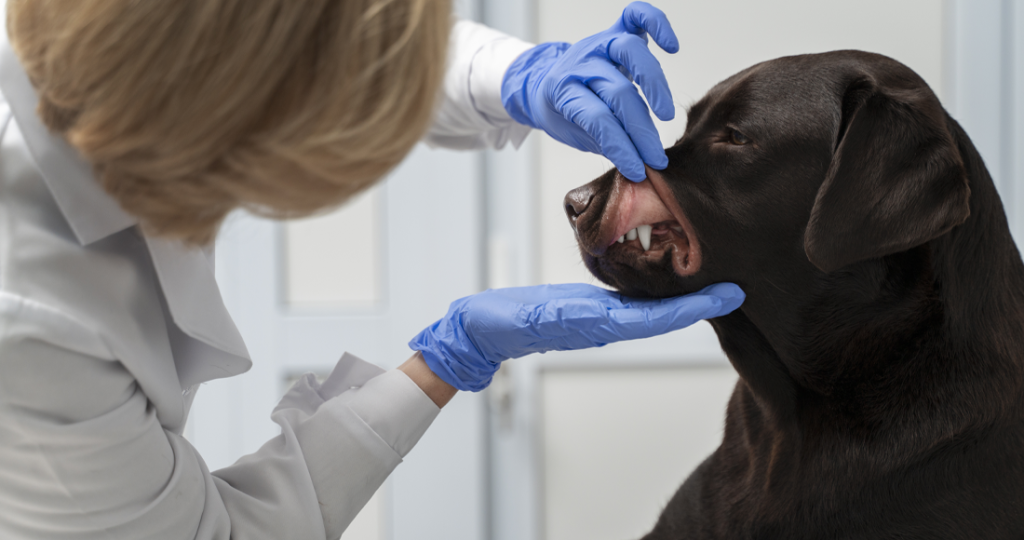
Understanding the Silent Epidemic of Periodontal Disease
Periodontal disease represents the most prevalent health condition affecting adult dogs and cats, with over 80% of pets developing some degree of gum disease by age three. Professional periodontal disease treatment pets Fairfield TX services at our veterinary clinic address this progressive infection that destroys the supporting structures of teeth, causing pain, tooth loss, and systemic illness. Unlike obvious medical conditions, periodontal disease advances silently beneath the gum line, often causing significant damage before owners notice any symptoms.
The progression from healthy gums to severe periodontal disease follows a predictable pattern that begins with bacterial plaque formation and advances through inflammation, tissue destruction, and eventual tooth loss. This process doesn’t just affect the mouth; bacteria from infected gums enter the bloodstream, potentially damaging heart, liver, and kidney function. Research consistently demonstrates that pets with severe periodontal disease have shortened lifespans compared to those with healthy mouths.
Early intervention through professional treatment can halt or even reverse periodontal disease in its initial stages, preserving teeth and preventing systemic complications. However, once significant bone loss occurs, management rather than cure becomes the goal. Our comprehensive approach combines immediate treatment with long-term management strategies tailored to each patient’s disease severity and overall health status.
The Stages of Periodontal Disease Progression
Stage 1 gingivitis represents the only reversible stage of periodontal disease, characterized by gum inflammation without attachment loss. Red, swollen gums that bleed easily indicate bacterial irritation, but the periodontal ligament and supporting bone remain intact. Professional cleaning and improved home care can restore complete gum health at this stage.
Stage 2 early periodontitis involves less than 25% attachment loss with early bone destruction beginning around tooth roots. Gum recession may become visible, and periodontal pockets start forming where bacteria multiply protected from natural cleaning mechanisms. Treatment at this stage can halt progression and maintain tooth stability.
Stages 3 and 4 represent moderate to severe periodontitis with 25-50% and greater than 50% attachment loss respectively. Teeth become progressively mobile as supporting bone disappears, deep pockets harbor aggressive bacteria, and pain becomes significant. Treatment focuses on eliminating infection, managing remaining teeth, and preventing systemic complications from bacterial spread.
Comprehensive Periodontal Examination
Thorough periodontal assessment requires general anesthesia to allow complete examination of all tooth surfaces and supporting structures. Conscious pets won’t tolerate the comprehensive probing and manipulation necessary for accurate diagnosis. Each tooth is evaluated individually, as disease severity often varies significantly within the same mouth.
Periodontal probing measures pocket depths around each tooth using a specialized probe marked in millimeters. Normal sulcus depth is 1-3mm in dogs and 0.5-1mm in cats, with deeper measurements indicating attachment loss. Probing also detects furcation exposure where bone loss exposes the area between multi-rooted teeth.
Mobility assessment determines tooth stability by applying gentle pressure in multiple directions. Slight movement indicates early attachment loss while significant mobility suggests advanced disease:
- Grade 1: Slight mobility, less than 1mm movement
- Grade 2: Moderate mobility, 1-2mm movement
- Grade 3: Severe mobility, over 2mm movement or vertical depression
- Furcation Grade 1: Initial bone loss between roots
- Furcation Grade 2: Significant bone loss, probe passes partially through
- Furcation Grade 3: Complete bone loss, probe passes completely through
- Gingival recession measurements and bleeding scores
Professional Scaling and Root Planing
Ultrasonic scaling removes calcified tartar from all tooth surfaces using high-frequency vibrations that break apart deposits without damaging enamel. Water spray cools the instrument and flushes away debris while the scaler tip systematically cleans every surface. Proper technique prevents thermal damage while ensuring complete tartar removal.
Hand scaling with specialized curettes removes remaining deposits and smooths root surfaces in a process called root planing. This meticulous procedure eliminates bacterial biofilm and toxins embedded in root surfaces. Smooth roots resist future bacterial attachment and promote gum reattachment when possible.
Subgingival lavage flushes debris and bacteria from periodontal pockets using antimicrobial solutions. This irrigation reduces bacterial loads and removes inflammatory mediators that perpetuate disease. Thorough lavage is essential for successful periodontal therapy.
Advanced Periodontal Surgical Procedures
Open root planing involves creating surgical flaps to access deep periodontal pockets for thorough cleaning and root treatment. Direct visualization ensures complete debridement of areas inaccessible during closed procedures. This technique is particularly valuable for furcation involvement and deep pockets.
Guided tissue regeneration uses barrier membranes and bone grafting materials to promote regeneration of lost periodontal structures. While complete regeneration rarely occurs, these techniques can improve attachment and reduce pocket depths. Success requires careful case selection and excellent home care.
Gingivectomy and gingivoplasty reshape diseased gum tissue to eliminate pockets and restore normal architecture. These procedures improve cleanability and reduce bacterial habitat. Careful technique preserves adequate attached gingiva while eliminating diseased tissue.
Local Antimicrobial Therapy
Perioceutic gel containing doxycycline provides sustained antimicrobial activity directly in periodontal pockets where systemic antibiotics achieve poor concentrations. This biodegradable gel hardens after application, slowly releasing medication over two weeks. Local delivery maximizes drug concentration while minimizing systemic effects.
Antibiotic-impregnated fibers or chips placed in deep pockets provide extended antimicrobial activity supporting healing after scaling and root planing. These materials don’t replace mechanical debridement but enhance treatment outcomes. Our periodontal disease treatment pets Fairfield TX protocols incorporate local antimicrobials when indicated.
Chlorhexidine rinses and gels provide additional antimicrobial activity during initial healing phases. These products reduce bacterial loads while tissues recover from treatment. Proper application technique ensures medication reaches affected areas.
Systemic Antibiotic Therapy
Systemic antibiotics may be indicated for severe infections, multiple tooth involvement, or patients at risk for bacteremia. Culture and sensitivity testing guides antibiotic selection for resistant infections. Treatment typically continues for 2-4 weeks depending on severity.
Immunocompromised patients or those with systemic conditions affected by oral bacteria may require antibiotic coverage during dental procedures. Pre-treatment reduces bacterial loads before manipulation. Post-treatment antibiotics support healing and prevent complications.
Pulse antibiotic therapy involves periodic antibiotic courses to suppress bacterial growth between professional cleanings. This approach helps manage aggressive periodontitis in younger animals. Long-term management requires balancing benefits against resistance risks.
Pain Management for Periodontal Disease
Chronic periodontal disease causes significant pain that pets hide instinctively, making recognition and treatment challenging. Multi-modal analgesia addresses both inflammatory and neuropathic pain components. Relief from chronic oral pain dramatically improves quality of life.
Regional nerve blocks during treatment provide excellent analgesia for painful procedures while reducing general anesthetic requirements. These blocks continue providing comfort hours after procedures. Different block techniques target specific mouth regions.
Ongoing pain management at home may be necessary for severe disease, using combinations of NSAIDs, gabapentin, or other analgesics. Regular reassessment ensures adequate comfort. Our periodontal disease treatment pets Fairfield TX team prioritizes patient comfort throughout treatment.
Home Care and Maintenance Therapy
Daily tooth brushing remains the gold standard for plaque control between professional cleanings, though even three times weekly provides benefits. Starting slowly with positive reinforcement helps pets accept brushing. Proper technique focuses on the gum line where plaque accumulates.
Dental diets mechanically clean teeth through kibble texture that doesn’t shatter on contact, providing abrasive cleaning action. Some contain additives that reduce bacterial growth or mineralization. These diets work best as maintenance after professional treatment.
Water additives and oral rinses provide additional bacterial control for pets refusing other home care. Product selection should focus on proven efficacy rather than marketing claims. Consistent use is essential for benefits.
Nutritional Support for Periodontal Health
Optimal nutrition supports immune function and tissue healing essential for managing periodontal disease. Antioxidants including vitamins C and E help control inflammation and support collagen production. Omega-3 fatty acids provide anti-inflammatory benefits.
Special dental health diets combine mechanical cleaning action with nutrients supporting oral health. These prescription diets are formulated to reduce plaque and tartar while providing complete nutrition. They work best as part of comprehensive management programs.
Supplements targeting oral health may benefit pets with aggressive disease or those unable to receive frequent professional care. Probiotics, enzymes, and other additives show promise but require more research. Our team provides evidence-based recommendations for nutritional support.
Monitoring and Follow-Up Care
Regular rechecks assess treatment response and identify areas requiring additional intervention. Initial recheck at 2-4 weeks evaluates healing and home care effectiveness. Subsequent monitoring frequency depends on disease severity and progression rate.
Professional cleanings every 3-6 months may be necessary for pets with moderate to severe disease to maintain oral health. This frequency prevents disease progression while preserving remaining teeth. Some pets require even more frequent care.
Dental radiographs during follow-up visits document changes in bone levels and identify developing problems. Comparison to previous images reveals whether disease is stable, improving, or progressing. This objective assessment guides treatment modifications.
Managing Refractory Periodontal Disease
Some patients experience continued disease progression despite appropriate treatment, requiring investigation into underlying causes. Systemic diseases like diabetes or kidney disease impair healing and increase infection susceptibility. Identifying and managing these conditions improves periodontal treatment outcomes.
Genetic factors influence periodontal disease susceptibility, with certain breeds experiencing aggressive disease despite good care. These patients require more intensive management including frequent cleanings and possible early extraction of severely affected teeth.
Compliance challenges with home care significantly impact treatment success. We work with owners to find manageable protocols their pets will accept. Sometimes, more frequent professional care compensates for limited home care.
Cost-Benefit Analysis of Treatment
Early periodontal treatment costs significantly less than managing advanced disease with multiple extractions and complications. Regular professional cleanings and home care prevent expensive interventions. Investment in prevention provides excellent long-term value.
Treating periodontal disease prevents costly systemic complications from bacterial spread to organs. Heart, liver, and kidney disease treatment far exceeds periodontal care costs. The extended lifespan from good oral health provides immeasurable value.
Quality of life improvements from eliminating chronic oral pain justify treatment costs regardless of age. Even senior pets benefit from pain relief and infection elimination. Our periodontal disease treatment pets Fairfield TX services provide excellent value through comprehensive care.
Special Considerations for Different Species
Cats often develop unique periodontal presentations including feline chronic gingivostomatitis requiring aggressive treatment. Tooth resorption frequently complicates periodontal disease in cats. Treatment approaches must address both conditions simultaneously.
Small breed dogs experience more severe periodontal disease due to crowded teeth and possible genetic factors. Earlier intervention and more frequent professional care are typically necessary. These breeds benefit from starting preventive care early in life.
Exotic pets like rabbits and ferrets can develop periodontal disease requiring specialized treatment approaches. Their unique anatomy and anesthetic considerations require experienced handling. We provide periodontal care for various species.
Preventing Periodontal Disease
Prevention through early intervention and consistent care is far superior to treating established disease. Starting dental care in young pets establishes good habits before disease develops. Regular professional cleanings and home care maintain oral health throughout life.
Risk factor modification includes addressing crowding through extraction of retained deciduous teeth and managing systemic diseases affecting oral health. Diet selection and appropriate chew toys support mechanical cleaning. Avoiding hard objects that fracture teeth prevents bacterial entry points.
Education about periodontal disease signs helps owners recognize problems early when treatment is most effective. We provide comprehensive education about prevention and home care. Understanding the disease process motivates compliance with recommended care.
Schedule Your Pet’s Periodontal Treatment
Don’t let periodontal disease silently destroy your pet’s oral health and overall wellbeing. Contact our Fairfield veterinary clinic at 1501 W US Highway 84 to schedule comprehensive periodontal evaluation and treatment. Our periodontal disease treatment pets Fairfield TX services address all stages of gum disease.
During your consultation, we’ll thoroughly assess your pet’s periodontal health, explain findings, and develop a customized treatment plan. We’ll demonstrate home care techniques and provide ongoing support for managing this chronic condition. Our goal is to preserve teeth and comfort through appropriate intervention.
Trust our experienced team to provide the comprehensive periodontal care your pet needs. From initial treatment through long-term management, we’re committed to maintaining your pet’s oral health. Schedule today and stop periodontal disease from affecting your pet’s quality of life.