
Hormone Testing & Endocrine Panels for Pets in Fairfield, TX
Understanding the Endocrine System in Pets
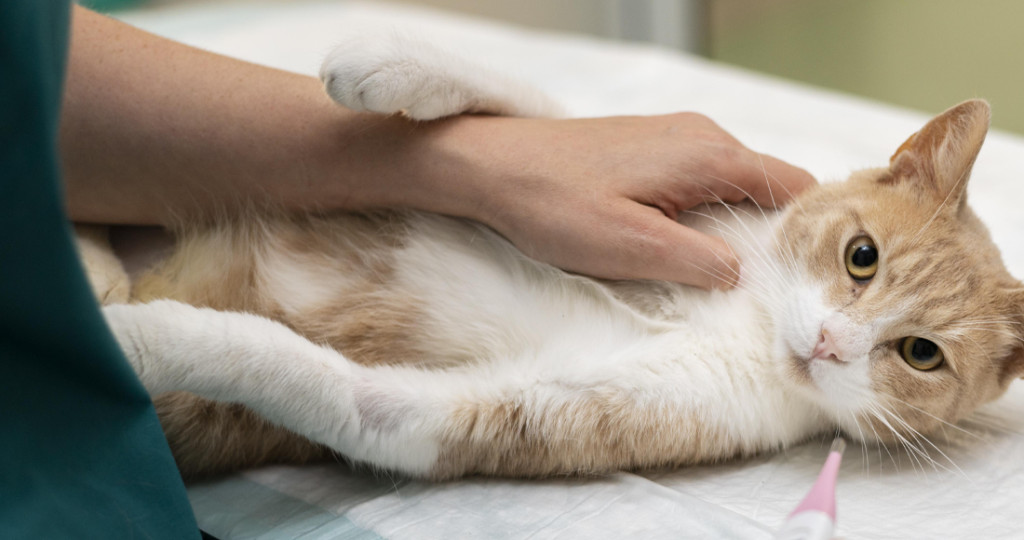
The endocrine system orchestrates countless bodily functions through hormones, chemical messengers that regulate metabolism, growth, reproduction, and behavior in our pets. Professional hormone testing pets Fairfield TX services at our veterinary clinic identify endocrine disorders that can dramatically affect quality of life if left untreated. These complex conditions often present with vague symptoms that mimic other diseases, making specialized testing essential for accurate diagnosis and appropriate treatment.
Hormonal imbalances develop gradually, with pets compensating for dysfunction until reserves are exhausted and clinical signs appear. By the time owners notice symptoms like excessive drinking, weight changes, or skin problems, endocrine diseases may be significantly advanced. Our comprehensive endocrine testing capabilities allow early detection and monitoring of these conditions, improving outcomes and preventing secondary complications.
The intricate feedback loops governing hormone production mean that dysfunction in one gland can affect multiple systems throughout the body. A single hormonal imbalance might cause skin changes, alter behavior, affect heart function, and compromise immune response simultaneously. This complexity requires systematic diagnostic approaches and experienced interpretation to identify primary problems versus secondary effects.
Thyroid Disease: The Most Common Endocrine Disorder
Hypothyroidism affects countless dogs in Central Texas, occurring when the thyroid gland produces insufficient hormones to maintain normal metabolism. Clinical signs develop slowly and include weight gain despite normal appetite, lethargy, cold intolerance, and skin problems including hair loss and recurrent infections. Our hormone testing pets Fairfield TX protocols include comprehensive thyroid panels that accurately diagnose this manageable but life-altering condition.
Diagnostic challenges arise because many factors can artificially lower thyroid hormone levels, including non-thyroidal illness, medications, and even time of day. Simple T4 measurement alone misses many cases or incorrectly suggests hypothyroidism in normal dogs. We perform complete panels including total T4, free T4 by equilibrium dialysis, TSH, and sometimes thyroid antibodies to ensure accurate diagnosis.
Hyperthyroidism predominantly affects older cats, causing weight loss despite ravenous appetite, hyperactivity, vomiting, and heart problems. This condition results from thyroid tumors producing excessive hormones, accelerating metabolism to dangerous levels. Early detection through routine senior screening allows treatment before irreversible heart damage or other complications develop.
Cushing’s Disease: Complex Diagnosis and Management
Cushing’s disease (hyperadrenocorticism) results from excessive cortisol production, either from adrenal tumors or pituitary dysfunction. Affected pets develop characteristic signs including increased thirst and urination, pot-bellied appearance, panting, skin changes, and muscle weakness. The gradual onset often leads owners to attribute symptoms to normal aging, delaying diagnosis until disease is advanced.
Diagnosing Cushing’s requires specialized testing protocols since single cortisol measurements provide little diagnostic value due to natural fluctuations. The low-dose dexamethasone suppression test involves baseline cortisol measurement, dexamethasone administration, and subsequent measurements at four and eight hours. This test not only confirms Cushing’s but often differentiates between pituitary and adrenal causes.
ACTH stimulation testing offers an alternative diagnostic approach, measuring cortisol response to synthetic ACTH administration. This shorter test proves useful for monitoring treatment and diagnosing iatrogenic Cushing’s from steroid medications:
- Pre-ACTH cortisol measurement establishes baseline values
- Synthetic ACTH injection stimulates adrenal response
- Post-ACTH cortisol measurement one hour later
- Exaggerated response indicates Cushing’s disease
- Blunted response suggests Addison’s disease
- Normal response rules out most adrenal disorders
- Results guide medication dosing for treatment
Addison’s Disease: The Great Pretender
Addison’s disease (hypoadrenocorticism) occurs when adrenal glands fail to produce adequate cortisol and often aldosterone, creating life-threatening electrolyte imbalances. This condition earned the nickname “great pretender” because symptoms mimic many other diseases, including gastrointestinal upset, weakness, and intermittent collapse. Our hormone testing pets Fairfield TX services include emergency electrolyte assessment and ACTH stimulation testing for definitive diagnosis.
Addisonian crisis represents a medical emergency where complete adrenal failure causes shock, severe electrolyte imbalances, and potential death without immediate treatment. Classic laboratory findings include low sodium, high potassium, and absence of stress leukogram despite severe illness. These changes prompt immediate ACTH stimulation testing to confirm diagnosis and begin life-saving treatment.
Atypical Addison’s presents diagnostic challenges when only cortisol deficiency exists without electrolyte abnormalities. These cases require high suspicion and appropriate testing when dogs show intermittent gastrointestinal signs, weakness, or poor stress response. Long-term management requires regular monitoring to ensure appropriate hormone replacement and watch for progression to typical form.
Diabetes Mellitus: Glucose Regulation Disorders
Diabetes mellitus results from inadequate insulin production or response, causing persistent hyperglycemia and metabolic derangements. Clinical signs include excessive thirst, urination, weight loss despite good appetite, and in advanced cases, cataracts in dogs or neuropathy in cats. Our comprehensive testing includes not just glucose measurement but also fructosamine levels that reflect average blood sugar over preceding weeks.
Diagnosis requires demonstrating persistent hyperglycemia and glucosuria, not just single elevated glucose readings that might reflect stress. Fructosamine testing proves particularly valuable in cats where stress hyperglycemia complicates diagnosis. This test measures glycated proteins, providing information about blood sugar control over time rather than momentary values.
Glucose curves monitor diabetic pets’ response to insulin therapy, involving serial glucose measurements throughout the day. These curves reveal insulin effectiveness, duration of action, and whether dose adjustments are needed. Home monitoring using glucometers designed for pets allows more accurate assessment in stress-free environments.
Reproductive Hormone Testing
Reproductive hormone testing guides breeding decisions, diagnoses fertility problems, and identifies hormone-producing tumors. Progesterone testing in female dogs determines optimal breeding timing, as levels rise predictably before ovulation. Serial testing pinpoints the fertile period more accurately than behavioral signs or vaginal cytology alone.
Testosterone measurement helps evaluate male fertility, diagnose cryptorchidism, and identify hormone-producing tumors. Low testosterone might indicate testicular dysfunction, while elevated levels in neutered animals suggest retained testicular tissue or adrenal tumors. Anti-Müllerian hormone testing definitively determines if dogs or cats have been spayed or neutered when history is unknown.
Pregnancy diagnosis through relaxin testing detects this pregnancy-specific hormone as early as 22 days post-breeding. Unlike ultrasound or radiographs, relaxin remains positive throughout pregnancy, providing confirmation when other methods are inconclusive. This test also identifies pseudopregnancy in dogs, helping differentiate true pregnancy from this common condition.
Growth Hormone Disorders
Growth hormone abnormalities, though rare, cause significant problems in affected pets. Pituitary dwarfism results from congenital growth hormone deficiency, causing stunted growth, retained puppy coat, and various metabolic problems. Our hormone testing pets Fairfield TX capabilities include growth hormone stimulation testing for definitive diagnosis of these unusual conditions.
Acromegaly, excessive growth hormone production, occasionally affects cats with diabetes, causing insulin resistance and characteristic facial changes. IGF-1 (insulin-like growth factor-1) measurement screens for this condition when diabetic cats require unusually high insulin doses. Identifying acromegaly changes treatment approach and prognosis significantly.
Growth hormone-responsive dermatosis causes symmetric hair loss in certain breeds without other systemic signs. Diagnosis involves ruling out other endocrine causes and sometimes therapeutic trials with growth hormone supplementation. These cases highlight the complex relationships between hormones and skin health in veterinary medicine.
Parathyroid and Calcium Disorders
Parathyroid hormone (PTH) regulates calcium metabolism, with both excess and deficiency causing serious problems. Primary hyperparathyroidism, usually from parathyroid tumors, causes hypercalcemia leading to kidney damage, bladder stones, and weakness. Our testing includes ionized calcium measurement, the most accurate assessment of biologically active calcium.
Hypocalcemia can result from hypoparathyroidism, kidney disease, or nutritional problems, causing muscle tremors, seizures, and behavioral changes. PTH testing differentiates primary parathyroid disease from other causes of calcium abnormalities. Ionized calcium monitoring guides emergency treatment and long-term management of these critical disorders.
Secondary hyperparathyroidism develops from kidney disease or nutritional imbalances, causing bone demineralization and pathologic fractures. Regular monitoring of calcium, phosphorus, and PTH levels in kidney disease patients allows early intervention before skeletal damage occurs. Dietary management and phosphorus binders help control this common complication.
Adrenal Sex Hormone Testing
Atypical Cushing’s disease involves excessive production of sex hormones rather than cortisol from adrenal glands. Affected pets show similar signs to typical Cushing’s but test negative on standard cortisol-based tests. Comprehensive adrenal panels measuring multiple sex hormones including estradiol, progesterone, and testosterone metabolites identify these cases.
Adrenal tumors can produce various hormones causing diverse clinical signs depending on which hormones are secreted. Some tumors produce combinations of cortisol, sex hormones, and mineralocorticoids, creating complex clinical pictures. Our hormone testing pets Fairfield TX services include specialized panels to characterize these unusual tumors.
Ferrets commonly develop adrenal disease causing hair loss, vulvar swelling in females, and prostatic disease in males. Hormone panels specifically designed for ferrets measure multiple sex hormones to confirm diagnosis and monitor treatment. These exotic pet endocrine disorders require specialized knowledge and testing protocols.
Insulin and Pancreatic Function Testing
Beyond simple glucose measurement, specialized tests evaluate pancreatic endocrine function more thoroughly. Insulin measurement helps differentiate diabetes types and diagnose insulinomas, insulin-secreting tumors causing hypoglycemia. Paired glucose and insulin measurements reveal inappropriate insulin secretion in these cases.
C-peptide testing distinguishes endogenous insulin production from exogenous insulin administration, useful in suspected overdose cases or when determining if any pancreatic function remains. This test helps optimize treatment protocols and provides prognostic information about potential diabetes remission, particularly in cats.
Glucagon stimulation testing evaluates pancreatic reserve and helps diagnose rare disorders affecting glucose metabolism. These specialized tests require precise timing and handling protocols our experienced team follows meticulously. Results guide treatment decisions for complex diabetic cases not responding to standard management.
Monitoring Endocrine Therapy
Successful endocrine disease management requires regular monitoring to ensure optimal hormone replacement and detect complications. Hypothyroid dogs need periodic thyroid testing to confirm adequate supplementation without overdosing. We typically recheck levels 4-6 hours after medication administration to assess peak levels.
Cushing’s disease monitoring involves ACTH stimulation testing to ensure adequate cortisol suppression without causing Addison’s disease. The delicate balance between controlling symptoms and avoiding overtreatment requires careful monitoring and dose adjustments. Regular testing prevents both treatment failure and iatrogenic complications.
Diabetic monitoring extends beyond glucose measurements to include fructosamine, urinalysis, and sometimes continuous glucose monitoring systems. These comprehensive assessments ensure good glycemic control while avoiding hypoglycemic episodes. Our team helps owners understand monitoring results and make appropriate adjustments.
Baseline Testing and Breed Predispositions
Certain breeds have increased risks for specific endocrine diseases, warranting earlier or more frequent screening. Dobermans, Golden Retrievers, and Cocker Spaniels commonly develop hypothyroidism, while Poodles, Dachshunds, and Terriers are predisposed to Cushing’s disease. Breed-specific screening recommendations help detect disease early.
Baseline hormone testing before clinical signs appear establishes individual normal values, making future abnormalities more apparent. This proves particularly valuable for performance animals or breeding stock where subtle changes might affect function. Annual testing in predisposed breeds allows earliest possible intervention.
Senior pets benefit from routine endocrine screening as part of comprehensive geriatric evaluation. Many hormonal disorders develop in middle to older age, and early detection significantly improves management success. Our senior wellness panels include appropriate hormone tests based on species, breed, and risk factors.
Interpreting Complex Endocrine Results
Hormone test interpretation requires understanding of numerous factors affecting results including stress, concurrent illness, medications, and sample handling. Reference ranges provide guidelines, but individual variation means some pets have abnormal results despite being healthy, while others have normal results despite disease. Our veterinarians consider the complete clinical picture when interpreting results.
Sequential testing often provides more information than single measurements due to natural hormone fluctuations. Trending values over time reveals developing problems before they exceed reference ranges. We maintain detailed records allowing comparison of current results to previous baseline values.
Conflicting or ambiguous results sometimes require additional testing or therapeutic trials for definitive diagnosis. Some endocrine diseases can only be confirmed through response to treatment. Our systematic approach ensures accurate diagnosis while avoiding unnecessary treatment of false-positive results.
Cost Considerations and Testing Strategies
Endocrine testing can be expensive, particularly when multiple tests or serial sampling are required. We help prioritize testing based on clinical suspicion and start with most likely diagnoses. Screening tests narrow possibilities before pursuing more expensive confirmatory testing.
Package pricing for common endocrine panels provides cost savings compared to individual tests. Wellness plans including routine endocrine screening help budget for preventive testing. Early detection and treatment often cost less than managing advanced disease complications.
Pet insurance increasingly covers endocrine testing and long-term medication costs. We provide detailed documentation supporting medical necessity for insurance claims. Understanding coverage helps families make informed decisions about diagnostic testing and treatment options.
Schedule Your Pet’s Hormone Testing
If your pet shows signs suggesting endocrine disease or belongs to an at-risk breed, comprehensive hormone testing at our Fairfield clinic provides answers. Our hormone testing pets Fairfield TX services include everything from routine thyroid screening to complex adrenal function tests. Don’t let treatable endocrine diseases diminish your pet’s quality of life.
Contact us at 1501 W US Highway 84 to discuss endocrine testing appropriate for your pet’s symptoms or risk factors. Our experienced team will recommend targeted testing to efficiently reach accurate diagnosis. Early detection through appropriate hormone testing allows effective treatment that can restore your pet’s energy and vitality.
Remember that hormone testing pets Fairfield TX at our clinic includes expert interpretation and ongoing monitoring to ensure optimal treatment outcomes. From hypothyroid dogs to diabetic cats, we provide comprehensive endocrine care that addresses these complex conditions. Trust our expertise to diagnose and manage your pet’s hormonal health effectively.