
Blood Work & CBC Testing for Pets in Fairfield, TX
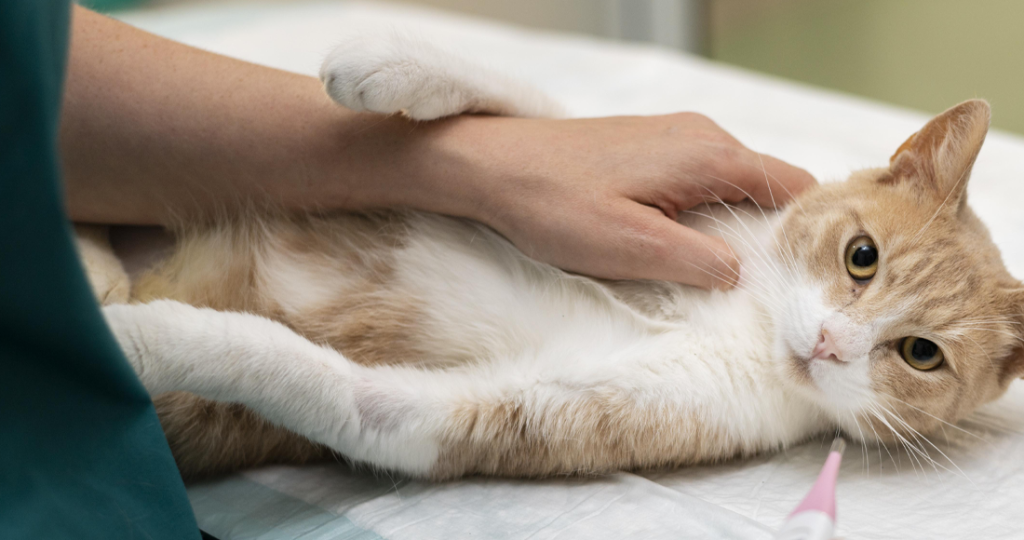
The Essential Role of Blood Work in Pet Healthcare
Regular blood work provides a window into your pet’s internal health that no physical examination can match, making pet blood work Fairfield TX services fundamental to both preventive care and disease diagnosis. Blood testing reveals problems with organs, detects infections, identifies hormonal imbalances, and uncovers diseases long before external symptoms appear. Our advanced in-house laboratory at the Fairfield veterinary clinic delivers comprehensive blood analysis within minutes, allowing immediate treatment decisions that can save lives and prevent suffering.
The components within your pet’s blood tell detailed stories about organ function, immune response, metabolic processes, and overall health status. Red blood cells carry oxygen throughout the body, white blood cells fight infection, platelets enable clotting, and plasma contains proteins, enzymes, and chemicals that regulate countless bodily functions. Analyzing these components through systematic blood testing provides objective data that guides accurate diagnosis and monitors treatment effectiveness.
Many pet owners in Central Texas don’t realize that animals instinctively hide illness until diseases become advanced, making routine blood work crucial for early detection. By the time pets show obvious symptoms like lethargy, appetite loss, or behavior changes, underlying conditions may have progressed significantly. Regular blood testing breaks through this natural camouflage, revealing developing problems when intervention is most effective and treatment costs are lowest.
Understanding Complete Blood Count (CBC) Testing
The complete blood count represents one of veterinary medicine’s most valuable diagnostic tools, providing detailed analysis of cellular blood components. Red blood cell evaluation reveals anemia, which can result from blood loss, immune-mediated destruction, decreased production, or chronic disease. Our analyzers measure not just cell numbers but also size, hemoglobin content, and distribution width, helping identify specific anemia causes that require different treatments.
White blood cell analysis provides crucial infection and inflammation information through both total counts and differential percentages of cell types. Neutrophils increase with bacterial infections, while lymphocytes may elevate with viral diseases or certain cancers. Eosinophils suggest allergic reactions or parasites, and monocytes indicate chronic inflammation. These patterns guide antibiotic selection, identify immune disorders, and monitor treatment response.
Platelet evaluation assesses blood clotting ability, with low counts indicating bleeding risks from immune destruction, tick-borne diseases, or bone marrow problems. High platelet counts might suggest inflammation, cancer, or recovery from blood loss. Our pet blood work Fairfield TX laboratory can perform manual platelet estimates when automated counts are questionable, ensuring accurate assessment of bleeding risk before surgery or during illness.
Blood Chemistry Panels: Organ Function Assessment
Comprehensive chemistry panels evaluate multiple organs simultaneously through measurement of enzymes, proteins, electrolytes, and metabolic products in blood serum. Liver enzyme elevations (ALT, ALP, GGT) indicate hepatocellular damage or cholestasis, though interpreting these requires understanding that some elevations are clinically insignificant. Bilirubin levels reveal liver function and bile flow, while albumin and total protein reflect liver synthesis capacity and overall nutritional status.
Kidney function markers including blood urea nitrogen (BUN), creatinine, and SDMA detect renal disease at different stages. SDMA rises earlier than traditional markers, identifying kidney dysfunction when only 25% of function is lost versus 75% loss required for creatinine elevation. Phosphorus levels help stage kidney disease and guide dietary management, while electrolyte imbalances direct fluid therapy choices.
Pancreatic markers include glucose for diabetes detection and specific lipase for pancreatitis diagnosis. Blood glucose abnormalities might indicate diabetes mellitus, stress hyperglycemia, or insulinoma. Amylase and lipase elevations suggest pancreatitis, though specific canine or feline pancreatic lipase tests provide superior diagnostic accuracy for this painful condition requiring aggressive treatment.
Pre-Surgical Blood Work: Ensuring Anesthetic Safety
Pre-anesthetic blood testing identifies hidden conditions that could complicate surgery or anesthesia, significantly improving patient safety. Young, healthy pets might need only basic screening, while older animals or those with health concerns require comprehensive testing. Our ability to perform same-day blood work means surgeries proceed as scheduled when results are normal, avoiding rescheduling inconvenience.
Liver and kidney function profoundly affect drug metabolism and elimination, requiring protocol adjustments in pets with organ dysfunction. Undetected liver disease might cause prolonged anesthetic recovery or excessive bleeding, while kidney problems affect fluid management and drug clearance. Blood glucose abnormalities need correction before elective procedures to prevent complications.
Coagulation assessment becomes critical for procedures with bleeding risks or in breeds predisposed to clotting disorders. Von Willebrand’s disease, common in Dobermans and other breeds, causes excessive surgical bleeding if not detected beforehand:
- Pre-surgical coagulation screening identifies bleeding disorders
- Specific factor testing diagnoses inherited coagulopathies
- Platelet counts ensure adequate clotting cell numbers
- Blood typing enables transfusion preparation if needed
- Crossmatching verifies compatibility with donor blood
- Pre-treatment with medications can improve clotting
- Surgical technique modifications reduce bleeding risks
Thyroid Testing and Hormonal Evaluation
Thyroid hormone imbalances significantly impact metabolism, energy, skin health, and behavior, making accurate testing essential for diagnosis and monitoring. Hypothyroidism commonly affects middle-aged dogs, causing weight gain, lethargy, skin problems, and cold intolerance. Our pet blood work Fairfield TX services include comprehensive thyroid panels measuring total T4, free T4, and TSH for accurate diagnosis.
Hyperthyroidism frequently develops in senior cats, causing weight loss despite increased appetite, hyperactivity, vomiting, and heart problems. Total T4 usually confirms diagnosis, though some cases require additional testing including free T4 or T3 suppression tests. Early detection through routine senior screening allows treatment before secondary complications like heart disease or hypertension develop.
Other hormonal testing available includes cortisol measurement for Cushing’s disease and Addison’s disease diagnosis. These adrenal disorders require specific testing protocols like ACTH stimulation or low-dose dexamethasone suppression tests performed over several hours. Our in-house capability to complete these protocols ensures accurate diagnosis without multiple visits.
Infectious Disease Screening Through Blood Testing
Blood testing plays crucial roles in detecting and monitoring infectious diseases common in Central Texas. Heartworm antigen testing identifies adult worm infections in dogs, essential screening given our region’s high mosquito populations. Microfilaria testing detects circulating larvae, important for treatment planning and identifying dogs that might spread infection.
Tick-borne disease panels screen for multiple infections transmitted by ticks prevalent in our area, including Ehrlichia, Anaplasma, and Rocky Mountain spotted fever. These diseases cause vague symptoms like fever, lethargy, and joint pain that mimic many other conditions. Early detection through blood testing allows treatment before serious complications like kidney failure or bleeding disorders develop.
Feline viral testing for FeLV (feline leukemia virus) and FIV (feline immunodeficiency virus) provides critical information for cat health management. These retroviruses suppress immune function, predisposing cats to infections and cancer. Knowing infection status guides vaccination decisions, helps prevent transmission, and allows early intervention for secondary problems.
Monitoring Chronic Disease Through Serial Blood Work
Chronic disease management relies heavily on regular blood monitoring to assess disease progression and treatment effectiveness. Diabetic pets require periodic glucose curves and fructosamine testing to evaluate blood sugar control and adjust insulin doses. Our in-house testing allows same-day insulin adjustments based on results, improving diabetic regulation.
Kidney disease patients need regular monitoring of renal values, electrolytes, and blood pressure to guide treatment modifications. Serial testing tracks disease progression, allowing intervention before clinical deterioration occurs. Phosphorus levels guide dietary phosphorus restriction timing, while potassium monitoring prevents dangerous deficiencies from fluid therapy.
Pets receiving potentially toxic medications require periodic monitoring to ensure therapeutic levels without adverse effects. Phenobarbital for seizure control needs level checks and liver enzyme monitoring. Methimazole for hyperthyroid cats requires thyroid level rechecks and kidney function assessment. NSAIDs for arthritis need baseline and periodic liver and kidney testing.
Blood Work in Emergency Situations
Emergency blood work provides critical information guiding life-saving treatment decisions within minutes of patient arrival. Packed cell volume and total protein measurements quickly assess for blood loss or dehydration. Blood glucose testing identifies hypoglycemia requiring immediate dextrose supplementation or diabetic crisis needing insulin therapy.
Electrolyte analysis in emergency patients reveals life-threatening imbalances requiring immediate correction. Potassium abnormalities cause cardiac arrhythmias, calcium deficiencies trigger seizures, and sodium imbalances affect neurological function. Our stat laboratory capabilities mean these critical values are available within minutes, allowing targeted treatment.
Lactate measurement helps assess tissue perfusion and prognosis in shock patients. Rising lactate indicates worsening perfusion despite treatment, while decreasing levels suggest therapeutic success. This simple test provides valuable real-time information about patient stability and treatment effectiveness unavailable through other monitoring methods.
Geriatric Screening: Early Detection in Senior Pets
Senior pets benefit tremendously from routine blood screening that detects age-related diseases before symptoms develop. Our comprehensive senior panels include CBC, chemistry, thyroid testing, and urinalysis, providing thorough health assessment. Early detection of conditions like kidney disease, diabetes, or liver dysfunction allows intervention that can add years of quality life.
Age-related changes in blood values must be distinguished from disease processes, requiring experienced interpretation. Mild enzyme elevations might be normal aging versus early disease indicators. Our veterinarians consider the complete clinical picture when interpreting senior blood work, recommending additional testing when abnormalities suggest specific conditions.
The frequency of senior screening depends on age and health status, with annual testing for middle-aged pets increasing to biannual for geriatric animals. This regular monitoring establishes baseline values, making subtle changes more apparent. Trending values over time often provides more information than single point measurements.
Breed-Specific Blood Testing Considerations
Certain breeds have unique blood work characteristics or predispositions requiring special consideration during testing and interpretation. Greyhounds and other sighthounds have higher red blood cell counts and lower platelet counts than other breeds, which might be misinterpreted as abnormal without breed knowledge. Their different muscle mass also affects creatinine reference ranges.
Breed predispositions to specific diseases warrant targeted screening even in apparently healthy pets. Cavalier King Charles Spaniels need early screening for thrombocytopenia, while Bedlington Terriers require copper storage disease testing. Our pet blood work Fairfield TX protocols incorporate breed-specific considerations ensuring appropriate testing and accurate interpretation.
Some breeds have higher risks for drug sensitivities detected through genetic testing, including MDR1 mutations in herding breeds affecting multiple drug metabolisms. Identifying these sensitivities before treatment prevents adverse reactions. We maintain detailed breed information to guide testing recommendations and result interpretation.
Understanding Blood Work Results and Reports
Laboratory reports contain extensive information that can overwhelm pet owners without proper explanation. Reference ranges represent normal values for most healthy animals but don’t account for individual variation. Values slightly outside reference ranges might be normal for specific pets, while values within ranges could still indicate problems in certain contexts.
Result interpretation requires considering multiple factors including age, breed, medications, and clinical signs. Patterns among multiple values often provide more information than individual results. Our veterinarians explain which abnormalities are significant, what they indicate, and whether additional testing is recommended.
Follow-up testing helps determine whether abnormalities are persistent or transient, progressive or stable. Some values fluctuate with stress, dehydration, or recent meals, requiring recheck testing for accurate assessment. We provide clear explanations about when rechecking is necessary and what changes we’re monitoring.
Cost-Effectiveness of Preventive Blood Testing
Preventive blood screening represents one of veterinary medicine’s best values, detecting diseases when treatment is most effective and least expensive. Early kidney disease detection allows dietary management that delays progression, potentially avoiding costly hospitalization and intensive treatment later. Identifying diabetes before ketoacidosis develops prevents expensive emergency care.
Wellness blood work packages bundle common tests at reduced prices compared to individual testing. These packages are designed for different life stages, providing appropriate screening at affordable costs. Annual wellness testing often costs less than treating one preventable disease caught late.
Pet insurance increasingly covers preventive blood work, recognizing its value in reducing claims for advanced disease treatment. We provide detailed documentation for insurance claims and can help determine coverage. The investment in regular blood testing pays dividends through longer, healthier lives and reduced long-term medical costs.
When Your Pet Needs Blood Work
Various situations warrant blood testing beyond routine screening, including unexplained symptoms, medication monitoring, and pre-surgical evaluation. Weight loss, appetite changes, increased thirst, vomiting, diarrhea, or lethargy all warrant blood work to identify underlying causes. Behavioral changes in older pets might indicate metabolic diseases detectable through blood testing.
Annual wellness examinations should include age-appropriate blood screening even in apparently healthy pets. This establishes baseline values and detects subclinical diseases. The specific tests recommended depend on age, breed, lifestyle, and previous health history.
Don’t wait for obvious illness before considering blood work. Contact our Fairfield, TX clinic at 1501 W US Highway 84 to schedule pet blood work Fairfield TX testing appropriate for your pet’s age and health status. Early detection through routine screening provides the best opportunity for successful treatment and long life.
Advanced Blood Testing Available
Beyond routine screening, specialized blood tests diagnose specific conditions or provide detailed organ assessment. Bile acid testing evaluates liver function more thoroughly than routine enzymes. Specific pancreatic lipase immunoreactivity definitively diagnoses pancreatitis. Cardiac biomarkers assess heart damage in pets with suspected cardiac disease.
Genetic testing through blood samples identifies breed-specific disease risks and drug sensitivities. Cancer screening through liquid biopsy technology detects circulating tumor DNA before masses become visible. While not routine, these advanced tests provide valuable information for complex cases.
Our laboratory maintains relationships with reference laboratories for specialized testing beyond in-house capabilities. We coordinate sample collection, shipping, and result interpretation for tests requiring external processing. This comprehensive approach ensures access to any blood test your pet might need.
Schedule Your Pet’s Blood Work Today
Protect your pet’s health through comprehensive blood testing at our Fairfield veterinary clinic. Our pet blood work Fairfield TX services provide rapid, accurate results essential for maintaining health and detecting disease early. Don’t let hidden illness progress when simple blood tests can reveal problems while they’re still treatable.
Contact us at 1501 W US Highway 84 to schedule blood work appropriate for your pet’s needs. Whether for routine wellness screening, pre-surgical testing, or investigating symptoms, our advanced laboratory capabilities provide the diagnostic information necessary for optimal care. Invest in your pet’s health through regular blood testing and enjoy peace of mind knowing their internal health is monitored.
Remember that pet blood work Fairfield TX at our clinic offers immediate results, allowing same-visit treatment decisions. From puppies needing their first wellness screening to seniors requiring comprehensive monitoring, our laboratory services support every life stage. Trust our experienced team to provide thorough testing and clear explanations that empower you to make informed decisions about your pet’s health.