
Artificial Insemination Services for Livestock in Fairfield, TX
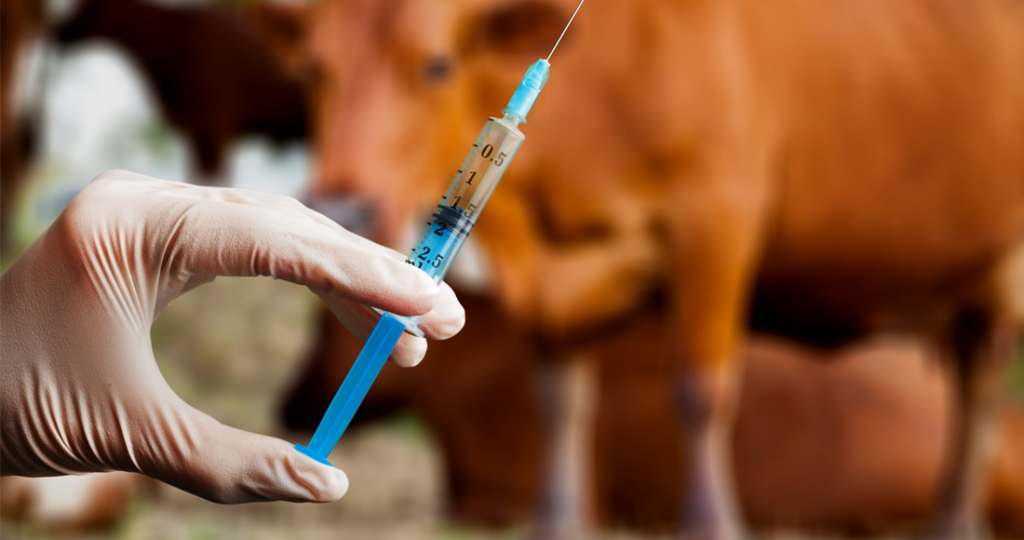
Advancing Genetics Through Professional AI Services
Artificial insemination represents one of the most powerful tools available for genetic improvement in livestock operations, allowing producers to access superior genetics from proven sires worldwide without the costs and risks of maintaining breeding males. Professional artificial insemination livestock Fairfield TX services at our veterinary clinic provide comprehensive reproductive management that maximizes conception rates while minimizing costs and disease transmission risks. This technology has revolutionized livestock breeding by making elite genetics accessible to operations of all sizes, from small family farms to large commercial enterprises.
The economic advantages of artificial insemination extend far beyond avoiding the purchase and maintenance costs of quality bulls or stallions. AI enables rapid genetic progress through access to thoroughly proven sires with known breeding values for economically important traits. Producers can select different sires for specific females, optimizing matings based on individual needs rather than compromising with a single herd sire that may not complement all females equally.
Central Texas livestock producers face unique reproductive challenges including heat stress effects on fertility, nutritional variations from drought cycles, and timing breeding around unpredictable weather patterns. Our extensive experience with regional production systems ensures AI protocols are adapted to local conditions. We understand that successful artificial insemination requires more than technical proficiency; it demands comprehensive understanding of nutrition, herd health, facilities, and management factors that influence reproductive success.
Understanding the AI Advantage
Genetic improvement through artificial insemination accelerates at rates impossible with natural service, as one superior sire can produce thousands of offspring annually compared to the 25-50 possible through natural breeding. This multiplication effect allows rapid dissemination of desirable traits throughout populations. Proven sires with extensive progeny records provide predictable genetic improvement reducing the risk inherent in using young, unproven natural service sires.
Disease prevention represents a critical benefit of artificial insemination, eliminating direct animal contact that transmits venereal diseases like trichomoniasis and campylobacteriosis in cattle or EVA in horses. Semen processing includes antibiotics that further reduce disease transmission risk. This biosecurity advantage becomes increasingly important as livestock movement increases disease spread potential.
Economic analysis consistently demonstrates artificial insemination’s superior return on investment compared to natural service when considering sire costs, maintenance, death loss, and genetic value of resulting offspring:
- Elimination of dangerous bull/stallion management
- No feed, pasture, or facility costs for males
- Access to multiple elite sires annually
- Ability to use sires that would be unaffordable to purchase
- Reduced injury risk to valuable females
- Precise breeding records for genetic evaluation
- Opportunity for crossbreeding without multiple sire breeds
Estrus Synchronization Protocols
Synchronization programs allow producers to breed groups of females within narrow time windows, concentrating labor requirements and producing uniform calf or foal crops. These protocols manipulate the estrous cycle using hormones to bring females into heat simultaneously. Proper protocol selection and implementation are crucial for success.
Fixed-time artificial insemination protocols eliminate heat detection requirements by scheduling insemination at predetermined times following synchronization. These programs particularly benefit operations with limited labor or difficulty observing estrus. Success requires strict adherence to timing and proper animal handling.
Protocol selection depends on species, age, production stage, and management capabilities. Our artificial insemination livestock Fairfield TX team develops customized synchronization programs considering your specific circumstances. We provide detailed protocols, schedules, and training ensuring successful implementation.
Semen Selection and Procurement
Sire selection significantly impacts operation profitability through offspring performance, making careful evaluation of genetic merit essential. Expected progeny differences (EPDs) in cattle and breeding values in other species predict offspring performance for economically important traits. Balancing multiple traits while avoiding extremes optimizes overall genetic progress.
Semen quality varies between bulls and collections, with reputable AI companies providing quality guarantees and post-thaw motility information. Proper semen handling from tank to cow is critical for maintaining viability. We source semen from established companies with proven quality control standards.
Cost considerations include not just semen price but expected conception rates, genetic value, and offspring marketability. Premium genetics often provide superior returns despite higher initial costs. We help evaluate cost-benefit ratios for different sire options.
Semen Handling and Storage
Liquid nitrogen tank management requires meticulous attention to maintain semen viability during storage. Regular nitrogen level monitoring prevents catastrophic losses from tank failure. Proper tank positioning, inventory management, and record keeping ensure semen remains viable until use.
Thawing protocols must be precisely followed as improper thawing destroys sperm cells rendering semen useless. Water bath temperature, thawing duration, and time from thaw to insemination all affect conception rates. Our training emphasizes proper technique preventing costly errors.
Semen handling equipment including straws, sheaths, and insemination guns must be properly maintained and sanitized between uses. Temperature management during handling prevents cold shock or heat damage. Attention to these details significantly impacts conception rates.
Heat Detection Methods
Visual observation remains the foundation of heat detection, though accuracy requires understanding subtle behavioral changes indicating estrus. Training personnel to recognize primary and secondary heat signs improves detection rates. Multiple daily observations increase detection accuracy.
Heat detection aids including tail paint, chalk, and electronic monitors supplement visual observation improving detection rates. Activity monitors and mounting detectors provide 24-hour surveillance identifying heats missed by visual observation. Investment in detection aids typically provides excellent returns through improved conception rates.
Records tracking heat dates, breeding dates, and pregnancy results identify patterns and problems requiring attention. Our artificial insemination livestock Fairfield TX services include training in accurate record keeping essential for reproductive management success.
Insemination Technique and Timing
Proper insemination technique requires understanding reproductive anatomy and developing skills through practice and training. Gentle animal handling reduces stress that can negatively impact conception. Hygiene during insemination prevents introducing contamination causing infection.
Timing relative to estrus onset significantly affects conception rates, with optimal timing varying between species. The AM/PM rule for cattle (breed PM heats in AM, AM heats in PM) provides general guidance, though individual variations exist. Experience recognizing optimal breeding timing improves results.
Site of semen deposition within the reproductive tract affects conception rates. Proper technique ensures semen placement in the uterine body or horns where fertilization occurs. Our training programs develop proficiency in proper insemination technique.
Pregnancy Diagnosis Services
Early pregnancy diagnosis allows timely identification of open females for rebreeding or culling decisions. Ultrasound examination as early as 28 days in cattle and 14 days in horses provides definitive pregnancy confirmation. Early diagnosis maximizes reproductive efficiency.
Pregnancy loss monitoring through follow-up examinations identifies embryonic or fetal death requiring rebreeding. Various factors including nutrition, disease, and stress can cause pregnancy loss. Identifying and addressing causes improves overall reproductive performance.
Fetal sexing via ultrasound between 55-80 days in cattle allows management decisions based on calf sex. This technology particularly benefits operations marketing specific sexes. Accuracy depends on fetal position and operator experience.
Managing Difficult Breeders
Repeat breeder cows or mares that fail to conceive despite multiple inseminations require systematic evaluation identifying underlying problems. Uterine infections, hormonal imbalances, or anatomical abnormalities may prevent conception. Targeted diagnostics guide appropriate treatment.
Nutritional impacts on reproduction are often underestimated, with energy balance, protein, minerals, and vitamins all affecting fertility. Body condition scoring identifies females needing nutritional adjustment. Proper nutrition before and after breeding improves conception rates.
Stress reduction during breeding season improves reproductive success. Minimizing handling, maintaining social groups, and providing adequate facilities reduce stress-related fertility problems. Our artificial insemination livestock Fairfield TX team helps identify and address stressors affecting reproduction.
Species-Specific Considerations
Cattle AI requires understanding of unique bovine reproductive physiology including relatively short estrus periods and optimal insemination timing. Beef versus dairy operations have different management intensities affecting protocol selection. Heifer versus cow protocols account for reproductive differences.
Equine artificial insemination presents unique challenges including longer, more variable estrus periods requiring multiple inseminations. Mare reproductive evaluation before breeding identifies problems affecting conception. Stallion semen varies more than bull semen in storage capability.
Small ruminant AI technology continues advancing though remains less widespread than cattle or horse AI. Cervical anatomy makes transcervical insemination challenging in sheep and goats. Laparoscopic insemination provides alternative approach with higher success rates.
Record Keeping and Analysis
Comprehensive breeding records enable analysis identifying management opportunities for improvement. Recording heat dates, breeding dates, sires used, and pregnancy results provides data for decision making. Electronic systems streamline record keeping and analysis.
Conception rate calculation by sire, technician, and protocol identifies factors affecting success. Benchmarking against industry standards reveals whether improvements are needed. Regular analysis guides management adjustments.
Genetic evaluation of resulting offspring validates sire selection decisions and guides future breeding strategies. Performance records on AI offspring demonstrate value of genetic improvement. This information supports marketing of superior genetics.
Training and Education Programs
Successful AI programs require properly trained personnel understanding both technical procedures and underlying reproductive physiology. Our comprehensive training programs develop proficiency from basic heat detection through advanced reproductive management. Hands-on practice with experienced instruction builds confidence.
Continuing education keeps producers current with advancing reproductive technologies and management strategies. Regular workshops and on-farm consultations provide ongoing support. Technology advances rapidly requiring commitment to lifelong learning.
Producer networks sharing experiences and strategies accelerate learning and problem solving. We facilitate producer education groups focusing on reproductive management. Peer learning complements formal training.
Troubleshooting Poor Conception Rates
Systematic evaluation when conception rates fall below expectations identifies correctable problems. Semen handling, insemination technique, timing, and animal factors all influence success. Our diagnostic approach efficiently identifies limiting factors.
Facility evaluation ensures proper animal handling and insemination conditions. Stress from poor facilities, rough handling, or inadequate restraint reduces conception. Simple improvements often dramatically improve results.
Health issues including reproductive infections, metabolic diseases, or parasitism significantly impact fertility. Comprehensive herd health programs addressing these factors improve reproductive performance. Our artificial insemination livestock Fairfield TX services integrate with complete herd health management.
Advanced Reproductive Technologies
Embryo transfer technology multiplies genetic contribution from elite females similar to how AI leverages superior males. Donor superovulation and embryo collection require specialized expertise. This technology particularly benefits seedstock producers.
Sexed semen technology allows producing predominantly one sex, valuable for dairy operations wanting heifers or beef operations targeting specific markets. Lower conception rates and higher costs require careful economic analysis. Applications continue expanding as technology improves.
Genomic testing enables early selection decisions before breeding age improving genetic progress rates. Understanding genetic potential guides mating decisions and marketing strategies. Integration with traditional selection accelerates improvement.
Economic Analysis of AI Programs
Cost-benefit analysis comparing AI to natural service must consider all factors including genetic value, labor, facilities, and risk. Spreadsheet models help evaluate different scenarios. Our experience guides realistic economic projections.
Market premiums for AI-sired offspring often justify higher input costs. Documentation of superior genetics enhances marketing opportunities. Reputation for quality genetics builds over time.
Risk management through AI includes eliminating dangerous bull handling, reducing disease transmission, and accessing diverse genetics reducing inbreeding. These risk reductions have economic value beyond direct financial returns.
Developing Your AI Program
Initial program design considers available facilities, labor, management intensity, and production goals. Starting with smaller groups allows refinement before full implementation. Our artificial insemination livestock Fairfield TX team helps design programs matching your capabilities.
Equipment investment including handling facilities, nitrogen tanks, and insemination supplies requires planning. Quality equipment improves safety and success rates. We provide guidance on equipment selection and sources.
Ongoing support through the first breeding season ensures successful implementation. Troubleshooting problems as they arise prevents minor issues from becoming major failures. Our commitment extends beyond initial training.
Schedule Your AI Program Consultation
Artificial insemination can transform your livestock operation’s genetic progress and profitability. Contact our Fairfield clinic at 1501 W US Highway 84 to discuss implementing artificial insemination in your herd. Our artificial insemination livestock Fairfield TX services provide comprehensive support from planning through implementation.
Whether you’re new to AI or looking to improve existing programs, our experienced team provides training, protocols, and ongoing support ensuring success. We understand Central Texas livestock production and tailor programs to regional conditions. Our combination of expertise and practical experience helps you achieve reproductive goals.
Don’t let another breeding season pass without accessing superior genetics through artificial insemination. The genetic progress and economic benefits justify the investment in learning and implementing AI. Call today to start planning your artificial insemination program and accelerate your operation’s genetic improvement.